2025–2026
Identity Threat Detection and
Response Dashboard with  Claude Code
Technology
Claude Code
VS Code
Vercel
Figma
GitLab
Cloudsmith
AI-Built Design System
Beyond Identity
Context
ITDR (Identity Threat Detection and Response) is a security product used by enterprise SOC teams and IT security analysts to detect and respond to identity-based attacks — account takeovers, credential compromise, impossible travel, MFA bypass, and suspicious device behavior.
Beyond Identity's ITDR dashboard surfaces real-time threat signals across identity infrastructure, giving analysts the visibility to act before breaches escalate.
Impact
100%
Handoff eliminated
Design went directly to production without a separate engineering translation layer.
Fully Agentic Workflow
Fully agentic workflow
From Figma Make to Claude Code to a fully agentic, branch-level design-engineering loop.
3×
Faster iteration
Same-session cycles replaced multi-day handoff cycles for production UI changes.
Contributors
Senior Product Designer
Nune Vardanyan
End-to-end design ownership — from research and ideation through Figma Make prototyping, production implementation with Claude Code, design system maintenance, and shipping via merge requests. Led client demos and conducted interview sessions to validate direction and gather feedback.
How it started
Using Figma Plugins to generate alternate designs
I first started using AI in late 2024, early 2025 when I came across a Figma plugin. It opened the door to what felt like a fundamentally different way of working.
Early iterations were feature-level, focused on rapid ideation. But what started as a tool to speed up wireframing quickly became something much more structural.
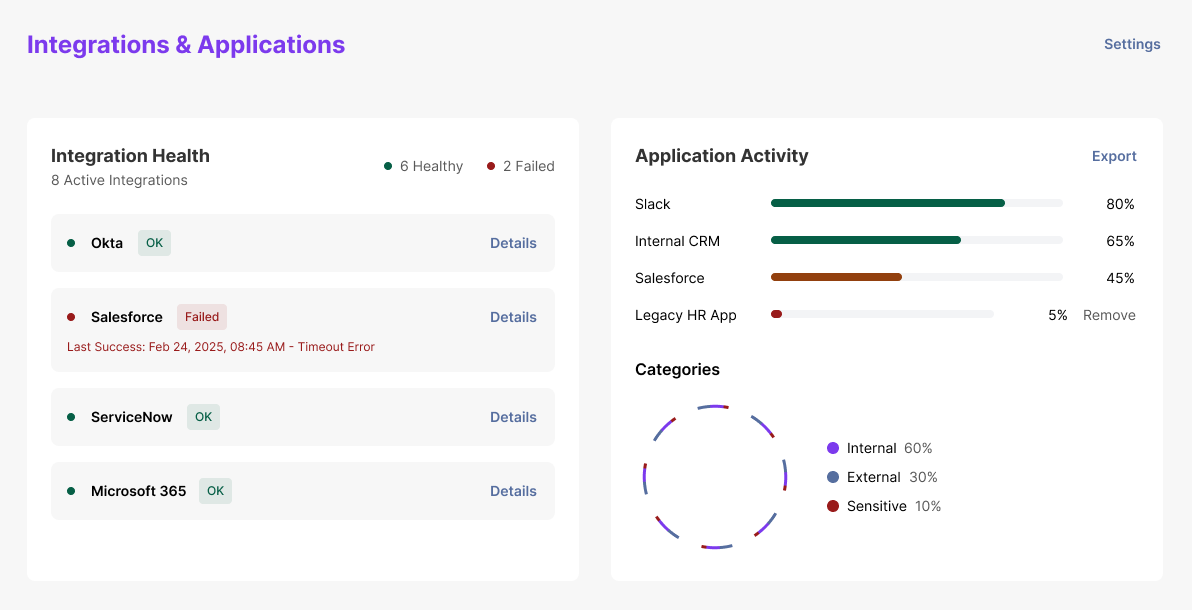
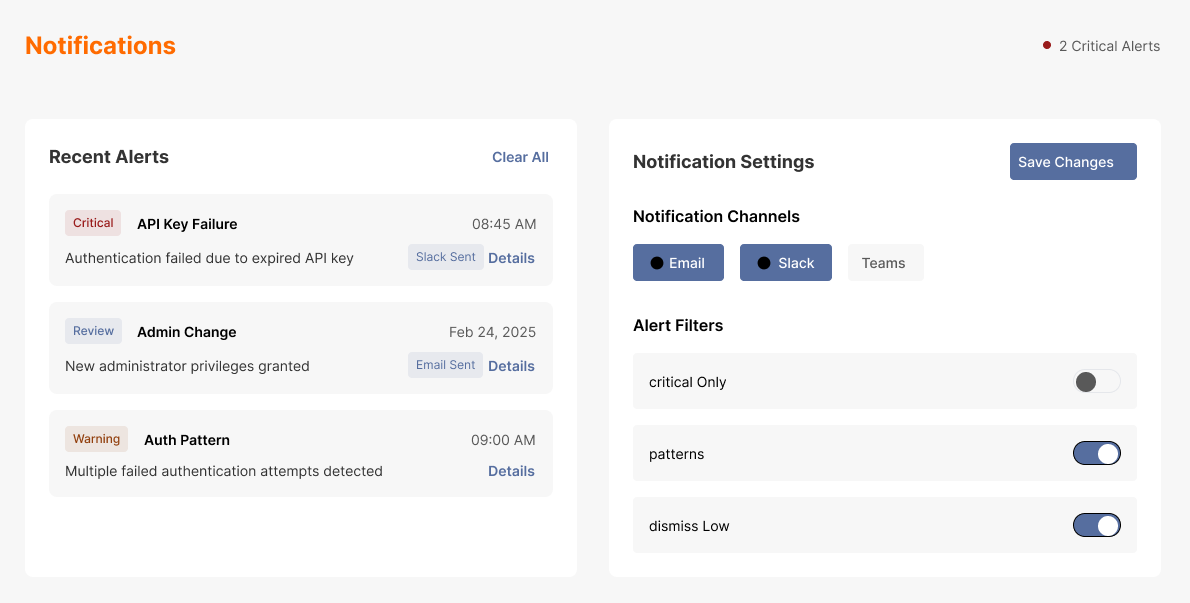
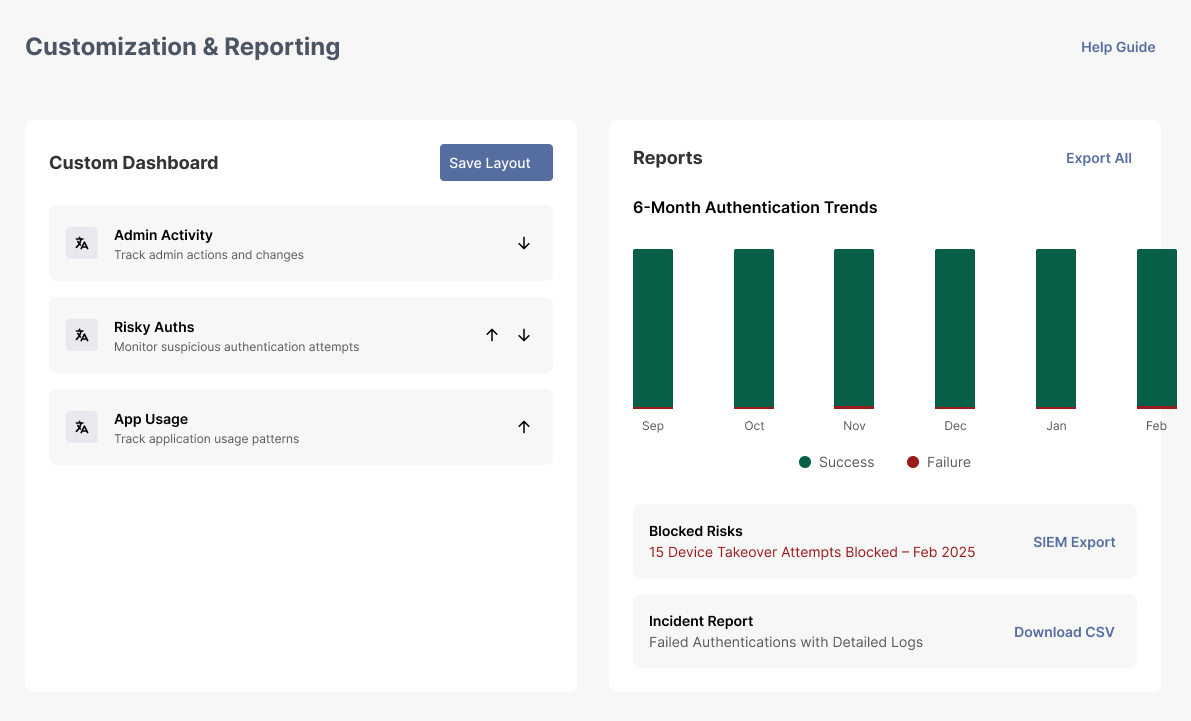
Phase 1 — Figma Make
Experimenting with Figma Make, initially focused on feature-level work and fast ideation.
Building the first version of ITDR in Figma Make.
Immediate wins
The problem
Figma Make generated code, but no engineer was looking at it.
Phase 2 — Claude Code · Jan 2026
Meet the engineers exactly where they are.
Engineers at Beyond Identity were building with Cursor, Claude Code, and Replit. So the strategy was simple: stop designing in a separate layer and move into theirs. Claude, VS Code, GitLab. My software development background made the transition less daunting than it might have been.
I started prototyping the ITDR experience directly using Claude Code via VS Code. What surprised me wasn't the speed, it was the quality of the thinking. Claude wasn't just generating code. It was thinking with me.
What Claude enabled
Competitive analysis
Mapped competing ITDR platforms to identify gaps and positioning opportunities.
Interview scripts
Co-wrote user interview scripts tailored to security analyst workflows.
PRD documentation
Translated design decisions into structured product requirement docs.
Mock data testing
Identified differences between mock and real data schemas to shape production behavior.
Planning sessions
Ran working sessions to prioritize features and sequence the build.
Challenging direction
Used Claude to pressure-test design decisions before committing to them.
Phase 3 — Fully Agentic
The beginning of true design-engineering collaboration.
Figma's MCP server connected Claude directly to designs — but iterating in production code was faster. I leaned further in: own branch, live environment, design system via claude.md, shipping through merge requests.
Prototyping in production
Maintaining own branch
Evolving design system via claude.md
Testing through merge requests
Takeaway
I still use Figma. It's simply not the only tool in my toolbox anymore.